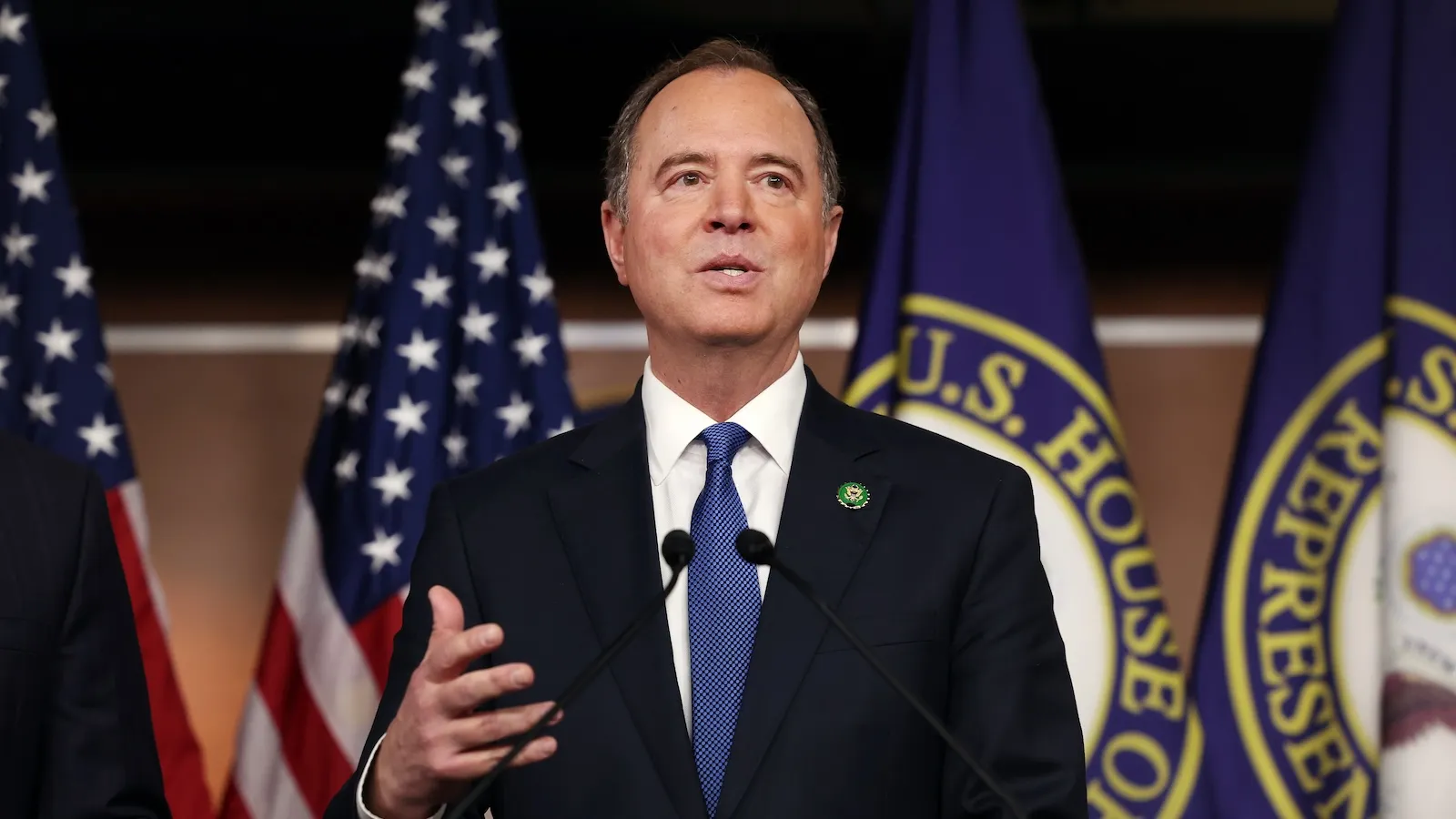
The proposed federal film tax credit leaves out soap operas completely. The Motion Picture, Television, and Entertainment Revitalization Act was introduced in Congress on September 24, 2026. It would give eligible productions a 20 percent credit on labor costs, but it names daytime dramas on its list of programming that does not qualify.
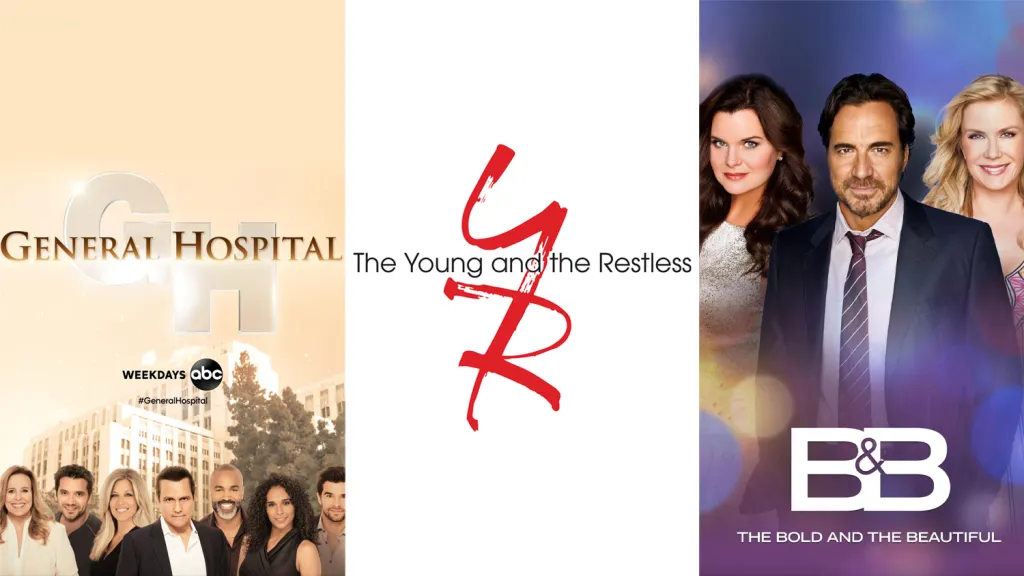
That means General Hospital, The Young and the Restless, The Bold and the Beautiful, Days of our Lives and Beyond the Gates would get nothing from the bill as written. Here is how the credit works, why daytime was left out, and what that means for the shows fans watch every day.
What the Federal Film Tax Credit Would Do
The bill would create the first nationwide tax incentive for film and television production in the United States. Its core feature is a 20 percent base credit on compensation paid for work on a production. Residuals do not count toward the credit.
To qualify, a project must spend more than $1 million, and at least 75 percent of production must happen in the U.S. The credit would also cover post-production and visual effects work. Producers could transfer the credits to another taxpayer and combine them with state incentives.
There are extra uplifts on top of the base rate. Deadline reported that projects in opportunity zones or federally declared rural disaster areas could get an additional 5 percent. Other bonuses would go to independent producers and productions spread across 10 or more states.
Who Is Behind the Bill
The bill has backing from both parties. In the Senate, it is led by Tim Scott of South Carolina and Adam Schiff of California. In the House, its sponsors include Laura Friedman, Linda Sanchez, Brian Jack and Nathaniel Moran.
The Motion Picture Association and the major entertainment unions have endorsed it. The Directors Guild of America, led by Christopher Nolan, has called it the biggest legislative push for domestic production in a generation. Supporters point to a drop of more than 100,000 jobs in the motion picture and video industries since 2022, citing Bureau of Labor Statistics figures.
Reports do not agree on one detail. Michael Fairman TV described a possible 30 percent rebate alongside the 20 percent base. Deadline's summary instead focused on 5 percent uplifts added on top. Until the final text is settled, treat anything beyond the 20 percent base as unconfirmed.
Which Shows the Federal Film Tax Credit Excludes
The bill lists the types of programming that cannot qualify. Along with daytime dramas, the list includes news, live sports, talk shows, game shows, award shows, commercials, corporate videos, social media content and sexually explicit material. Scripted and unscripted series qualify, with a minimum of four episodes.
Here is how that affects the five current daytime soaps. Status reflects the bill as introduced in September 2026.
| Show | Network or platform | Production base | Federal credit status |
|---|---|---|---|
| General Hospital | ABC | Los Angeles | Excluded as a daytime drama |
| The Young and the Restless | CBS | Los Angeles | Excluded as a daytime drama |
| The Bold and the Beautiful | CBS | Los Angeles | Excluded as a daytime drama |
| Beyond the Gates | CBS | Atlanta, Georgia | Excluded as a daytime drama |
| Days of our Lives | Peacock | Los Angeles area | Excluded as a daytime drama |
Wikipedia's Beyond the Gates entry notes that the show began production in Atlanta in November 2024. That makes it the only one of the five produced outside California.
Why Would Congress Leave Out Soaps?
The bill text lists the exclusion without explaining it, so what follows is our read of the likely reasons. The main goal of the credit is to stop productions from moving overseas. Daytime dramas almost never do that. They tape in the same American studios year after year, and a tax break designed to bring work home offers little to shows that never left.
Cost is the other likely factor. Soaps produce around 250 episodes a year, far more than a typical prime-time season. A 20 percent credit on every soap payroll would add up to a large and permanent cost to the Treasury. Lawmakers trying to keep the bill's price down have an obvious reason to cut high-volume formats like daytime, talk shows and game shows.
There is also a question of image. The bill is being sold as a way to compete with the UK, Canada and Australia for big-budget film and scripted TV. Soaps are low-cost and cover their costs through ad sales and long-term audiences. Our read is that they simply were not the kind of production the drafters had in mind, rather than being singled out.
What Soaps Miss Out On
The exclusion matters because daytime budgets are already tight. Over the past decade, soaps have cut costs by trimming episode counts, keeping cast lists small and asking actors to take fewer guaranteed episodes. A labor-based credit would have helped with exactly the costs that keep being cut: actors, writers and crew.
The state picture is not much better. The California Film Commission's program 4.0 sets new TV series at a minimum budget of $1 million per episode, with scripted episodes at least 20 minutes long. Our read is that most daytime shows would struggle to reach that per-episode figure. That leaves the four California soaps without a clear state or federal incentive.
Beyond the Gates is the one possible exception at the state level. Georgia offers its own film tax credit program. We have not seen confirmation of whether the show uses it, so we would not assume it does.
What Happens to the Bill Next
The bill is not close to passing yet. The House is in recess until after the midterm elections, and the Senate is about to adjourn. Speaking to reporters, Schiff said the goal is to pass it in the lame duck session at year's end, possibly by attaching it to a major funding bill.
President Trump endorsed a federal incentive in August 2026, which gave the idea new momentum. There is opposition, though. The Wall Street Journal editorial page has criticized film incentives as handouts. The text could still change before any vote.
That leaves room for change. Industry groups representing daytime could press for the exclusion to be narrowed. Our speculation is that a carve-out for soaps is possible but unlikely, since adding them would raise the bill's cost at a time when sponsors are trying to hold their coalition together.
What It Means for Viewers
Nothing changes on screen right away. No show has announced cuts because of this bill, and nobody should read the exclusion as a sign that any soap is in danger. It simply means daytime will keep operating on its current budgets without new federal help.
Over time, though, the gap matters. When prime-time and streaming series get cheaper to make, they compete harder for actors, crew and studio space. Our read is that daytime's long-running cost problems could get a bit worse as scripted TV becomes more attractive for the same talent.
For more on how the business side of soaps works, read our explainer on how daytime ratings work. Our Beyond the Gates renewal guide covers how CBS's newest soap earned another season. To see where every show airs, use our 2026 soap opera streaming guide.
We will follow the bill through the lame duck session in September 2026 and beyond. Check the Minisma soap news hub for updates if the exclusion changes.


💬 Comments (0)
Be the first to share your thoughts!