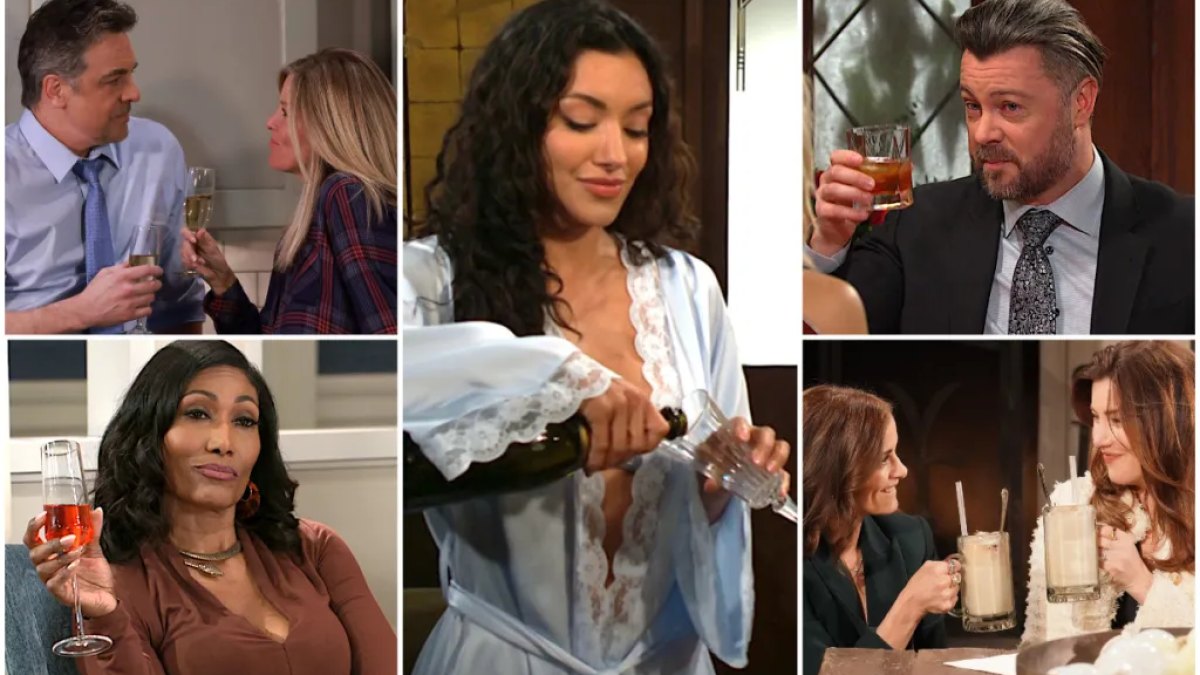
Sixty-plus years in, the soap operas are winning social media — and it is not nostalgia. Daytime dramas consistently punch above their ratings weight across short-form video and fan platforms, and the reason is structural: the soap opera may be the format social media was accidentally designed for. Here is the full picture — the four structural advantages, what the shows actually do differently, and why this boom now decides which shows survive.
Four structural advantages no other genre has
- Daily clip volume. A soap produces roughly an hour of original content every weekday, year-round. The Young and the Restless has aired on CBS since 1973; General Hospital on ABC since 1963; Days of our Lives nearly every weekday since November 8, 1965 (the six-decade record). No primetime show can feed an algorithm at that rate. Every episode is fifty potential vertical clips.
- Pre-built communities. Soap fandoms have organized around shows for decades — newsletters, conventions, fan clubs, forum traditions that predate the internet. Social platforms did not create these audiences; they gave them faster tools. The multi-generational family sagas the genre is built on — Days' Horton-Brady-Kiriakis-DiMera web is the documented example (the show's own framing) — give fans decades of relationships to argue about, and arguing is what feeds do.
- Moral clarity in 60 seconds. A confrontation scene needs no context to land: betrayal, confrontation, consequence. Soaps are a machine for producing self-contained emotional moments — exactly the unit the feed rewards.
- Cast access as a strategy. Daytime actors work near-year-round and have historically engaged fans directly — some, like the genre's longest-tenured stars, have played their characters for 30–45 years, building parasocial depth no primetime guest star can match (the 45-year example). The performers are the marketing, and the shows learned to treat their accounts as distribution.
What the shows are actually doing differently
The smartest official accounts stopped promoting and started clip-publishing: posting the day's key scene within hours of air, cut for the feed, captions on, context in the caption text. The episode is the funnel; the clip is the ad. The strategy feeds directly into streaming — every viral clip is an unpaid ad for the platform where the full episode lives, whether that's broadcast next-day streaming or a service like Peacock, home of Days of our Lives.
The recap economy
The second layer is fan-made: recap accounts, spoiler threads, and commentary creators who treat each episode as raw material. Shows that embrace this ecosystem — rather than issuing takedowns — get a free second marketing staff. The healthiest sign of a soap's social health is not its official follower count. It is how many independent accounts bother recapping it daily.
The third layer is awards visibility: when General Hospital won Outstanding Daytime Drama Series at the 2025 Daytime Emmys with seven wins, every acceptance clip became social currency for the genre (the 2025 winners list). Awards moments are the feed's native language — and daytime now produces them annually.
Why this matters for the shows' futures
Social performance is now a renewal argument. Streaming services read engagement, not just tune-in, and a soap with a thriving clip ecosystem demonstrates daily cultural relevance to the exact decision-makers who fund it. That is the quiet story behind the renewal facts that should calm Days fans — Peacock's commitment through Season 63 is a bet on an audience that proves its attention daily, one clip at a time. It is also why casting headlines like multi-year deals for fan favorites are made with the clip economy in mind: the stars who carry the scenes are the same stars who carry the feed.
💬 Comments (0)
Be the first to share your thoughts!